

Understanding Access Requests in Modern Digital Environments
Access requests are an essential component of the digital landscape, ensuring that individuals and organizations can maintain control over sensitive information. In this article, we will explore the definition of access requests, the reasons they are important, different types of access requests, and best practices for managing them. If you’re interested in learning more about access requests, you can visit Access Request for additional resources and insights.
What is an Access Request?
An access request is a formal procedure through which an individual or organization seeks permission to access specific information, systems, or resources. This process is crucial in various sectors, including healthcare, finance, education, and government. Access requests help protect sensitive data by limiting who can view or use it and ensuring that only authorized personnel can access certain levels of information.
The Importance of Access Requests
Access requests play a vital role in maintaining data security and privacy. With the rise of cyber threats and data breaches, it has become increasingly important for organizations to have clear policies regarding who can access their data and under what circumstances. Access requests help organizations:
- Protect Sensitive Information: By controlling access, organizations can safeguard sensitive data such as personal identifiable information (PII), financial records, and proprietary business information.
- Compliance with Regulations: Many industries are subject to regulations that mandate strict access controls. Access requests can help organizations demonstrate compliance with laws such as GDPR, HIPAA, and PCI-DSS.
- Accountability: Access requests create an audit trail, allowing organizations to track who accessed what information and when. This transparency is crucial for internal investigations and compliance audits.
- Minimize Risks: By carefully managing who can access sensitive information, organizations can reduce the risk of data breaches and other security incidents.
Types of Access Requests
There are several types of access requests, each serving a different purpose based on organizational needs. Some common types include:
- User Access Requests: These requests are typically made by employees or contractors requesting access to specific systems, applications, or resources required for their job roles.
- Data Access Requests: Individuals, such as patients or customers, may submit requests to access their personal data held by organizations, often as part of their rights under data protection laws.
- Administrative Access Requests: Higher-level access requests that typically involve permissions needed by IT staff or system administrators to manage and maintain systems effectively.
- Third-Party Access Requests: Requests from external vendors or partners seeking access to specific data or systems for collaboration or service delivery.
The Access Request Process
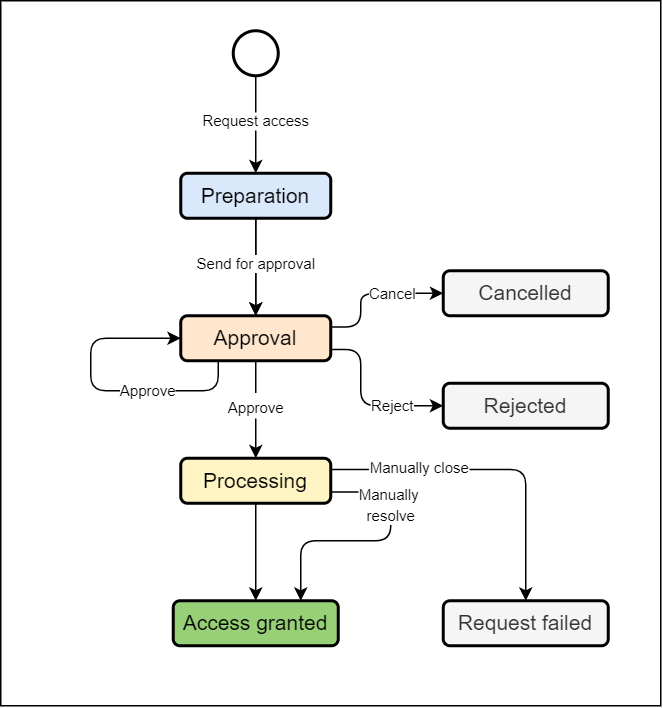
The process of submitting an access request typically includes several key steps:
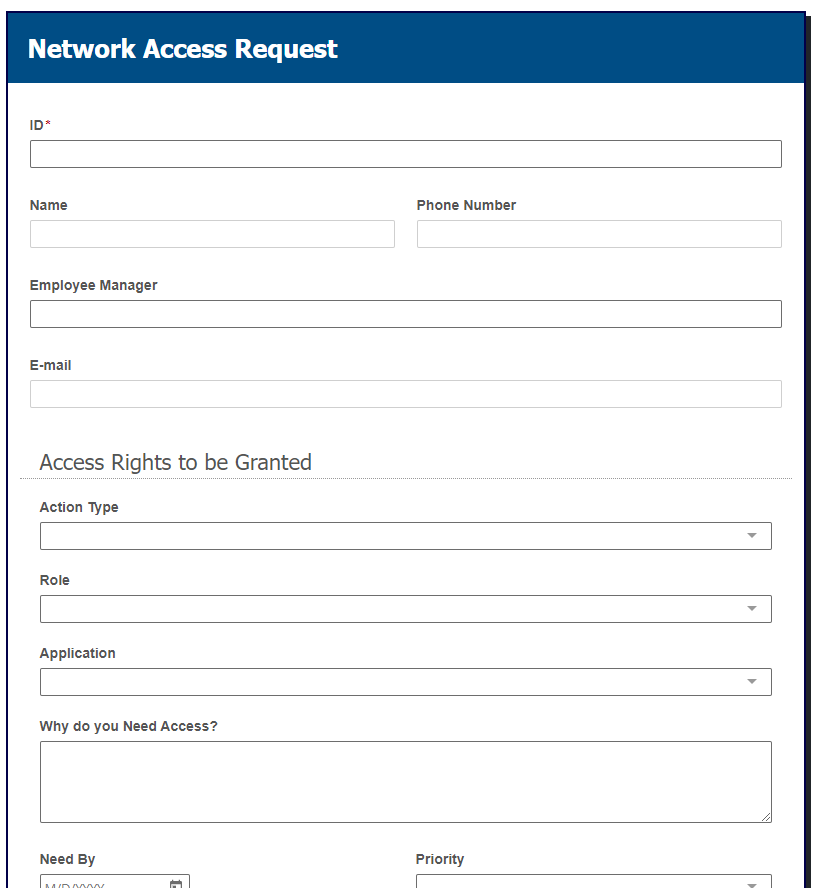
- Identification: The requester identifies the specific data or system they need access to, including any relevant details that clarify the scope of their request.
- Submission: The request is formally submitted, often through an established platform or form that allows for easy tracking and processing.
- Review: Designated personnel evaluate the request based on organizational policies and the principle of least privilege to determine if it should be approved or denied.
- Notification: The requester is informed of the decision regarding their request, with details about the approval or denial and any conditions attached to granted access.
- Access Provisioning: If approved, the necessary steps are taken to grant access, ensuring that proper logging and monitoring measures are in place.
Best Practices for Managing Access Requests
To effectively manage access requests, organizations should follow best practices that promote security and efficiency:
- Implement a Clear Policy: Establish a well-defined access request policy that outlines the processes, roles, and responsibilities for handling access requests.
- Utilize Automation: Leverage technology to automate the access request workflow, which can streamline the process and reduce the likelihood of human error.
- Regularly Review Access Rights: Conduct periodic reviews of access rights to ensure that employees have the appropriate levels of access based on their current roles.
- Provide Training: Educate employees about the importance of access requests and data protection, fostering a culture of security within the organization.
- Logging and Monitoring: Maintain detailed logs of access requests, including approvals and denials, to facilitate audits and investi

gations as needed.
Challenges in Managing Access Requests
While access requests are essential for data security, managing them effectively can pose several challenges:
- User Confusion: Employees may be unclear about the process for submitting access requests, leading to delays or incorrect submissions.
- Overwhelmed IT Departments: A high volume of requests can overwhelm IT staff, resulting in slow response times and potential security risks.
- Policy Compliance: Ensuring that all access requests comply with internal policies and external regulations can be complex, particularly in large organizations.
- Balancing Security with Usability: Organizations must find a balance between stringent access controls and the need for employees to perform their jobs efficiently.
The Future of Access Requests
As technology continues to evolve, so too will the processes surrounding access requests. Trends such as remote work, cloud computing, and increased regulatory scrutiny are shaping the future landscape:
- Increased Use of AI: Artificial intelligence can help streamline the access request process, making it easier to evaluate and approve requests based on predefined criteria.
- Zero Trust Security Models: The adoption of zero-trust architectures will necessitate more frequent and granular access requests as organizations limit trust levels to minimize security risks.
- Enhanced User Experience: Future access request systems will prioritize user experience, providing intuitive interfaces and seamless integration with other organizational processes.
Conclusion
Access requests are a crucial part of safeguarding sensitive data in today’s digital world. Understanding the importance of these requests, the processes involved, and best practices for management can help organizations maintain robust security protocols. By staying informed about evolving technologies and trends, organizations can continue to strengthen their access management strategies and ensure the safety of their data.
